What is a synchrotron? What is the European Synchrotron?
Synchrotrons provide unique techniques for learning about the structure and behaviour of matter at the molecular and atomic level.
The ESRF, the European Synchrotron, a ring-shaped synchrotron, 844 metres in circumference, generates X-ray beams 10 trillion times brighter than medical X-rays.
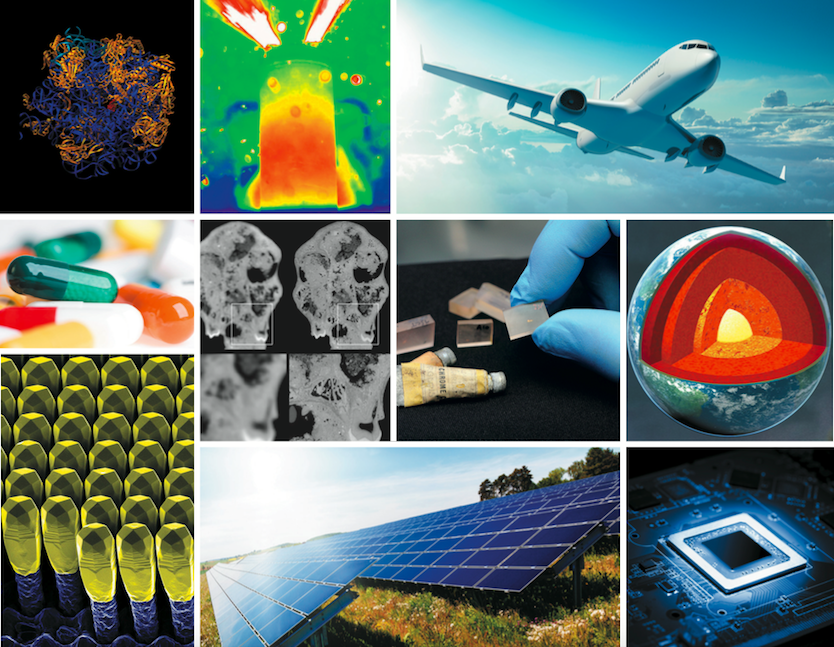
The European Synchrotron functions like a giant microscope, that reveals the structure of materials and living matter in all their complexity. It provides unrivalled opportunities for the scientific community, in a wide variety of fields for fundamental, applied and industrial research: health and biology, environment and energy, chemistry and catalysis, material physics, extreme conditions, advanced materials, microelectronics and nanotechnologies, archaeology and cultural heritage.
ESRF-EBS: A change of paradigm for synchrotron X-ray science
With ESRF-EBS (the Extremely Brilliant source), the first fourth-generation high-energy synchrotron, that started operation in August 2020, the European Synchrotron opens new vistas for X-ray science.
ESRF-EBS represents a disruptive step for synchrotron science to better understand the complexity of matter from the atomic level to the full functioning macroscopic object. It provides unique tools and capabilities for the synchrotron community to address global challenges.
The European Synchrotron has defined seven EBS science goals, in line with UNESCO's objectives for sustainable development and with the global challenges identified by the EU's Horizon Europe research and innovative programme:
- Health innovation, overcoming diseases and pandemics
- Materials for tomorrow's innovative and sustainable industry
- Clean energy transition, sustainable energy storage and clean hydrogen technologies
- Planetary research and geoscience
- Environmental and climate challenges
- Bio-based economy and food security
- Humanity and world cultural heritage
Discover five portraits of scientists, five scientific projects based on ESRF's Extremely Brilliant Source and its new capabilities, with explanations of synchrotron science:
Do you want to know more about synchrotrons in the world?
Take a look at the Lightsources website
Ask an Expert
Are you wondering if a synchrotron could help in your work? Do you need more details on something presented here?
Use the ask an expert form to send your questions to the ESRF.
partners


European Synchrotron Radiation Facility - 71, avenue des Martyrs, CS 40220, 38043 Grenoble Cedex 9, France.